

Earning a Donor’s Trust Through Small, Strategic Steps
Mark Mangin
Senior Vice President of Data & Analytics
New donors generally make the choice to give because they believe the organization is in a position to fulfill a specific need. But they continue to give because they have built confidence in the organization.
One of the most overlooked and powerful ways nonprofits can build and protect that trust is through clean and accurate donor data.
Data hygiene may sound like a back-office concern, but to donors, it shows up front and center in every interaction: the emails they receive, the letters addressed to them, the acknowledgments they open, and the respect that organizations can convey by following their preferences. When donor data is wrong, trust erodes quietly and often permanently.
Every touchpoint communicates something about how an organization values its supporters and their donations. When a donor receives a gift acknowledgment with the wrong name, an outdated address, or an inappropriate requested gift amount, the message is clear: We don’t really know you.

Even small errors can have outsized consequences. Misspelling a name, sending duplicate appeals, or ignoring communication preferences can make donors feel unseen or unimportant. When organizations are investing significant time, energy, and funds to acquire new donors, a single misstep can effectively end the relationship before it even begins.
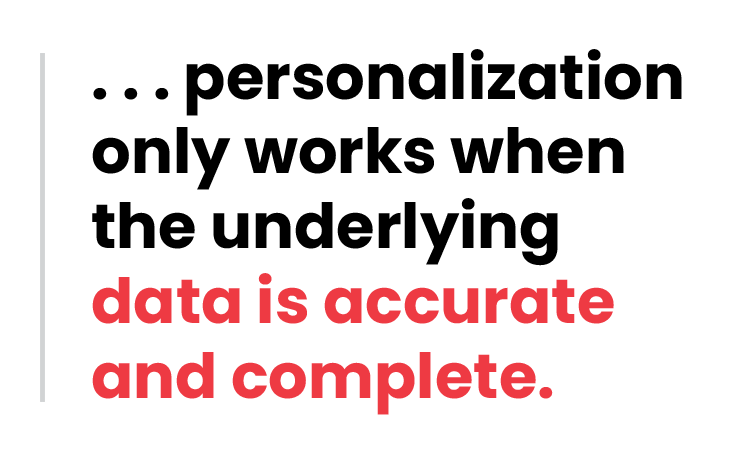
Modern donors expect communications that reflect their history, interests, and preferences. Personalization isn’t a luxury anymore. It’s an expectation. But personalization only works when the underlying data is accurate and complete.
Segmentation based on flawed data leads to awkward and even damaging experiences for the donor. Incorrect data management can lead to major donors receiving entry-level appeals, long-term supporters being treated like first-time donors, and donors being communicated with via channels or offers they have explicitly said they do not prefer.
One of the most common mistakes organizations make is treating data cleanup as a one-time initiative. True data integrity requires ongoing attention and shared responsibility. At its core, keeping donor data clean and accurate is an act of respect. It says, “We see you. We value you. We take your trust seriously, and we will continue to earn it.”
In an environment where donors are increasingly selective and skeptical, trust is not guaranteed. It is earned through countless small decisions. Every single communication is an opportunity to earn or lose that trust.
Organizations that invest in data integrity are not just improving efficiency; they are strengthening relationships. And in fundraising, strong relationships are the most sustainable asset of all.
Related articles
-

We Measure Excellence Differently
A bed filled for the night. A hot meal, served to someone who hadn’t eaten in a while. A surgery…
-

Nonprofits: Are You Only Fulfilling Half of Your Mission?
I receive a lot of emails and phone calls from nonprofit organizations and ministries inquiring about our fundraising services. Unfortunately,…
-

Your Donors Don’t See Things the Way You Do
If you spend enough time around fundraising professionals, you’ll eventually hear the debate: Direct mail is still the gold standard.…